 Randwick
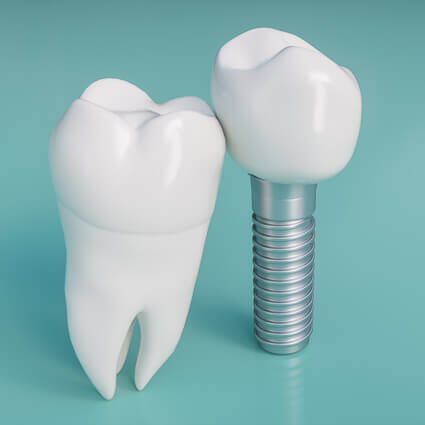 Dental implants have a reputation for being permanent, and for the most part, that reputation is earned. With proper care, many implants last 20 years or longer, and it’s not uncommon for them to go the distance for life. But “permanent” is a bit of a simplification. How long an implant actually lasts depends on the implant itself, the bone that supports it, and how well it’s looked after over the years.
At Randwick Dental Clinic, Dr Mario Wais and Dr Diego Wainstein provide dental implant treatment using modern digital planning and a long-term approach to patient care. Here are some of the factors they say can influence implant lifespan.
What Influences How Long an Implant Lasts?
While the titanium implant itself is highly durable, the surrounding bone, gums, and restoration all play a role in long-term success. What tends to shorten an implant’s life isn’t usually the implant, it’s everything around it.
Oral Hygiene Habits
Implants can’t develop cavities, but the tissue supporting them is still vulnerable to peri-implant disease, a form of inflammation similar to gum disease. Brushing twice daily with a soft toothbrush, cleaning around the implant with floss or interdental brushes, and removing plaque before it hardens into calculus all help protect the gum and bone underneath.
Smoking and vaping significantly increase the risk of implant failure, so cutting back (or quitting) matters more here than for natural teeth.
Bone Health and Follow-up Care
An implant is only as stable as the bone holding it in place. Bone density, existing gum disease, teeth grinding, diabetes, and smoking can all influence long-term success, which is why follow-up visits matter well beyond the initial healing period. Your dentist monitors both the implant and surrounding bone using clinical exams and digital X-rays, catching small changes before they become bigger problems.

Clear Costs,No Surprises
Free first implant consultation / assessment
A single dental implant starts from $4,499 with payment split by stage:
- $1,999 at implant placement
- $2,500 at crown restoration
Your implant needs time to fuse with bone before the final crown restoration (often around 3 months). Payments can be split by stage or paid in full upfront. Payment options may include HICAPS, Denticare and Afterpay, and we can assist with insurance and paperwork. You’ll receive a clear outline of fees before you decide to proceed. Saturday appointments and flexible online booking are available.
*T&C’s apply:
- Not everyone is a candidate - Suitability and final pricing depend on complexity - Front teeth may require additional planning due to visibility.
- Health fund item numbers 688 and 672
Maintenance Tips from Randwick Dentists
“Dental implants require ongoing care rather than being considered maintenance-free. Good home hygiene, regular professional cleaning, and continued monitoring of the surrounding gums and bone can all influence how well an implant performs over time.
Dr Mario Wais
Routine Checkups and Professional Cleaning
We generally recommend a dental exam every six months, along with professional cleaning using instruments designed specifically for implants (they won’t scratch the surface the way standard tools can). These appointments also let us check the implant crown and surrounding tissue for early signs of gum inflammation, bone loss, or bite changes.
“Patients are often surprised how similar implant maintenance is to caring for natural teeth. The main difference is that we’re keeping a closer eye on the surrounding tissue, since that’s what determines how long the implant lasts.”
Dr Diego Wainstein
When to Contact Your Dentist
Dental implants have an excellent success rate, but it’s worth contacting your dentist if you notice bleeding or persistent swelling around the implant, a bad taste or breath that won’t shift, pain when chewing, a crown that feels loose, or any change in how your bite feels. Early treatment often prevents small issues from becoming much bigger ones.